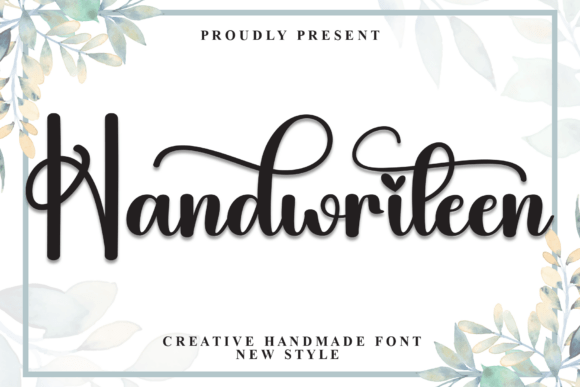
Handwriteen: A Font That Breathes Life Into Your Craft
Where Can I Use Handwriteen?
Handwriteen is a true all-rounder when it comes to creative applications. Here are some of my favorite ways to use it in my craft:
- Candle Labels: I used it for a line of bath and body candles. The soft curves made the labels feel like they belonged in a cozy, rustic setting.
- Greeting Cards: For birthday and thank-you cards, Handwriteen adds a personal touch that feels genuine and heartfelt.
- Wedding Invitations: I designed a few sample invites using Handwriteen, and the font brought an elegant yet playful tone to the event.
- Printable Wall Art: I created a series of minimalist wall art pieces with Handwriteen as the main text element, which turned out to be a popular item in my shop.
- Boutique Packaging: I used it on product tags for a small boutique line, helping to create a cohesive brand identity that felt authentic and handcrafted.
- Seasonal Tags: For holiday and seasonal products, Handwriteen adds a festive charm that’s both subtle and effective.
- Digital Downloads: It works beautifully in digital templates, especially for printable planners, social media graphics, and web designs.
How Does Handwriteen Impact Product Presentation?
When designing for handmade products, typography plays a huge role in how customers perceive quality and consistency. Handwriteen helps elevate the visual appeal of your items without being overwhelming. Its soft, flowing nature gives a sense of care and attention to detail, which can make your products feel more premium and intentional.
It also enhances brand recognition. When customers see Handwriteen on your packaging, labels, or digital assets, they begin to associate it with your brand. This consistency builds trust and creates a memorable experience, encouraging repeat purchases and word-of-mouth referrals.
Design Tips for Using Handwriteen
While Handwriteen is beautiful on its own, pairing it with other fonts can enhance its versatility. Here are a few tips for using it effectively:
- Pair with a Clean Sans Serif: For a balanced look, pair Handwriteen with a simple sans serif font like Montserrat or Lato for headings or subheadings.
- Use with a Simple Serif: If you want a more classic feel, try combining it with a serif font like Georgia or Cinzel for a refined aesthetic.
- Combine with Another Script Font: For a more dynamic layout, pair it with another script font for contrast and visual interest.
- Use It Alone for Display Text: Handwriteen shines when used as the primary text for titles, names, or decorative elements.
Before selling any physical products or digital downloads, be sure to check the included styles, alternates, ligatures, swashes, weights, file formats, and multilingual support. Also, confirm that the font is commercially licensed for your intended use. This ensures you’re compliant and ready to create without any legal hiccups.
Readability Matters
When using Handwriteen for small stickers, product labels, or printed cards, readability is key. While the font is elegant, it’s important to consider the size and spacing of the text. Test it on mockups and print samples to ensure it looks great in both digital and physical formats.
For cutting machines or SVG-style designs, make sure the font files are optimized for precision. Check that the outlines are clean and the characters are well-defined to avoid any issues during production.
Final Thoughts
Handwriteen has become a staple in my creative process. It brings a unique charm to every project I work on, whether it's a simple label or a full set of printable templates. Its versatility, warmth, and visual appeal make it a go-to choice for makers who value authenticity and creativity.
If you're looking for a font that feels both personal and professional, Handwriteen is worth exploring. It’s not just a typeface—it’s a tool that helps you bring your handmade creations to life in a way that feels genuine and meaningful.